It seems every single day, there’s a new theory or study telling us which oils we should or absolutely must not be using in the kitchen. First seed oils were good, then they were the enemy. Olive oil was the gold standard—until it was exposed that the majority we’re finding on our shelves are fake. It’s honestly exhausting for anyone just trying to make a healthy meal without a PhD in nutrition. So I’m going to break it down. Based on my limited knowledge, biased opinions, and very lazy research.
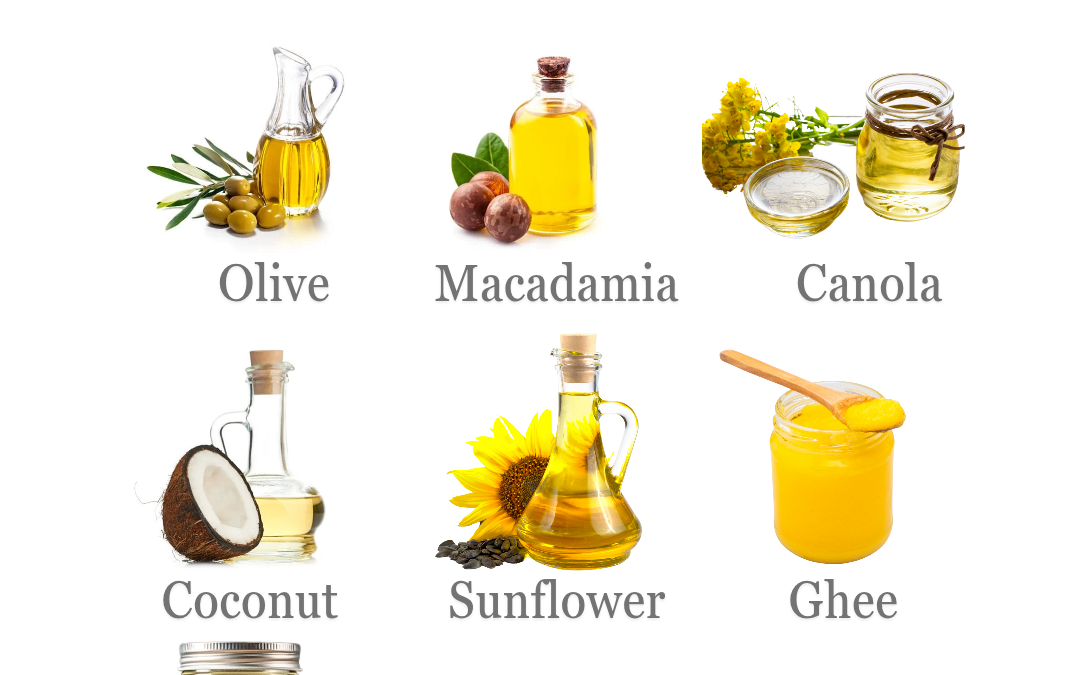
Olive oil: STOP COOKING WITH IT. Yes, it’s rich in antioxidants and monounsaturated fats, but once you apply heat—especially high heat—it breaks down, oxidizes, and becomes as disappointing as cheap sunflower oil. Use it raw. Drizzle it over salads, roasted veg (after roasting!), or on a bruschetta if you’re feeling fancy. This same “do-not-heat” rule applies to oils like flaxseed, walnut, and unrefined nut oils—all great for cold dishes, not for cooking.
Macadamia oil: Smooth, buttery, stable. High in monounsaturated fats and with a decent smoke point, it behaves well under moderate heat and still plays nice with your health. It doesn’t oxidize easily, and its subtle flavor won’t hijack your food. It’s a little fancy, but definitely worth it if you’re trying to upgrade your kitchen game.
Canola oil: Let’s just call this one the frenemy. It’s got a high smoke point and is cheap and widely used, so people assume it’s good. And yes, it’s low in saturated fat and has omega-3s in its unrefined form. But here’s the catch: it’s almost always highly refined, deodorized, and stripped of anything helpful. Plus, it’s still a seed oil—so while it won’t kill you, it’s not exactly winning any wellness awards. If you must use it, go for cold-pressed or organic canola. Otherwise? Use with caution.
Coconut oil (refined): This one’s always in the middle of a health debate. Yes, it’s high in saturated fats, but they’re medium-chain fats (MCTs), which are digested differently and may support energy and brain function. It’s very stable under heat, has a long shelf life, and gives your food a subtle tropical flair—unless you choose the refined version, which is flavor-neutral. Great for medium-heat cooking and baking.
Sunflower oil: The confusing cousin. It’s often sold as “healthy,” and it does have a high smoke point, which makes it popular for frying. But the typical version is high in omega-6 fatty acids, and too much omega-6 (without enough omega-3) can trigger inflammation over time. If you can find high-oleic sunflower oil, that’s better—but again, moderation is key.
Ghee: Honestly, a dream for cooking. Ghee is clarified butter, so it’s free of lactose and milk solids, has a rich nutty flavor, and handles heat like a pro. It’s also packed with fat-soluble vitamins like A, D, E, and K. It supports gut health, helps you absorb nutrients, and just makes everything taste luxurious. Use it for frying, roasting, or just spreading it on toast like your ancestors did.
Beef tallow: This one’s having a well-deserved comeback. It’s rendered beef fat, naturally stable, full of saturated and monounsaturated fats, and rich in fat-soluble vitamins. It doesn’t oxidize easily and has been used for centuries for deep frying and cooking. Fries taste elite in it. Yes, it’s animal fat—but when sourced well, it’s a solid cooking ally.
Bottom line: Choose oils that you feel are best for you. This is the internet after all, you have to take everything you hear with a pinch of salt, and tailor it to your own needs. Your health deserves more than whatever oil was cheapest at the store. Cook like you care—just not so much that it stresses you out.